In an era where technology continuously reshapes how we work, learn, and interact, Interactive Flat Panel Displays (IFPDs) are at the forefront of this transformation. Offering a blend of high-definition visuals and interactive capabilities, IFPDs are becoming indispensable tools in various sectors. This comprehensive article explores the multifaceted nature of Interactive Flat Panel Displays, examining their features, advantages, applications, and future prospects.
Understanding Interactive Flat Panel Displays
Interactive Flat Panel Displays (IFPDs) are advanced digital screens that combine the functionality of a traditional monitor with interactive capabilities. They are typically characterized by their large, flat screens that are touch-sensitive, allowing users to engage directly with the content displayed. Unlike traditional displays that rely on external input devices like keyboards or mice, IFPDs facilitate interaction directly on the screen, often through touch or stylus input.
Key Components of IFPDs:
High-Resolution Display: Modern IFPDs feature high-resolution screens, often reaching 4K or even 8K resolution. This ensures that images, text, and video are displayed with exceptional clarity and detail.
Touch Technology: IFPDs use various touch technologies, including capacitive, infrared, or electromagnetic resonance, to detect and respond to user inputs. This technology supports multi-touch interactions, enabling users to perform complex gestures and commands.
Integrated Software: Most IFPDs come with pre-installed software that supports a range of functions such as digital whiteboarding, content annotation, and multimedia presentations. This software enhances the interactive experience and provides tools for effective communication and collaboration.
Connectivity Options: IFPDs are equipped with multiple connectivity options, including HDMI, USB, and wireless connections. This versatility allows them to integrate seamlessly with other devices like computers, tablets, and smartphones.
Ergonomic Design: Many IFPDs feature adjustable stands or wall-mounting options to ensure that they can be positioned comfortably for optimal use, whether in a classroom, boardroom, or any other setting.
Benefits of Interactive Flat Panel Displays
Interactive Flat Panel Displays offer a range of benefits that make them valuable assets in various environments:
Enhanced Engagement: The interactive nature of IFPDs makes them more engaging compared to traditional displays. In educational settings, for instance, students can interact with lessons and activities directly on the screen, which enhances learning and retention.
Improved Collaboration: In business environments, IFPDs facilitate collaboration by allowing multiple users to interact with the content simultaneously. This feature is ideal for brainstorming sessions, project planning, and team discussions.
Versatility: IFPDs are versatile tools that can be used for a variety of applications, from teaching and training to presentations and interactive exhibits. Their adaptability makes them suitable for diverse environments.
User-Friendly Interface: The intuitive touch interface of IFPDs simplifies operation, making it easy for users to navigate and control the display without requiring extensive technical knowledge.
Cost-Effectiveness: While the initial investment in IFPDs may be higher than traditional displays, their multifunctionality often results in cost savings over time by reducing the need for additional equipment and minimizing maintenance.
Applications of Interactive Flat Panel Displays
Interactive Flat Panel Displays are transforming numerous fields by providing dynamic, interactive solutions:
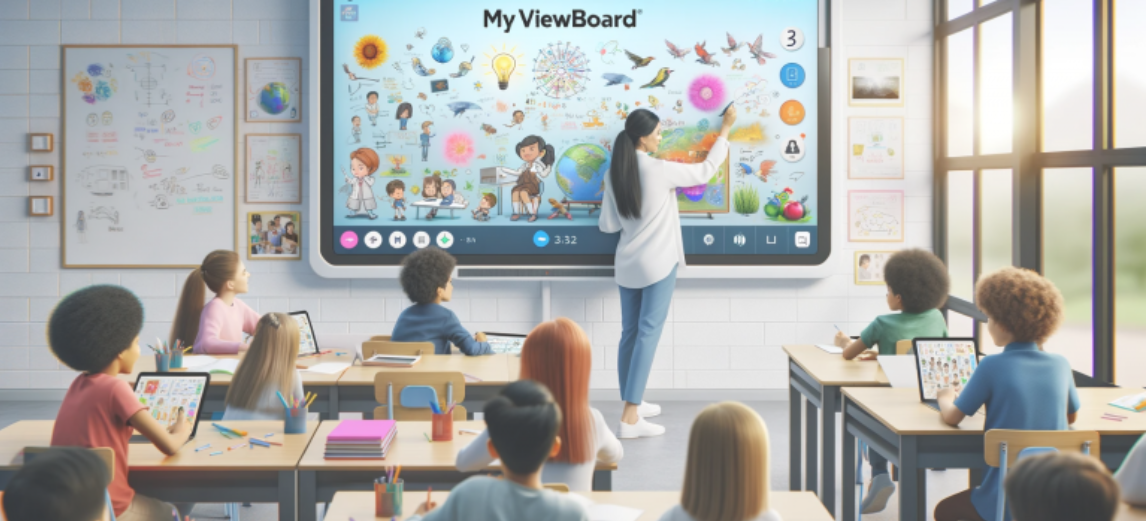
Education: In the classroom, IFPDs serve as powerful teaching tools. They enable educators to deliver interactive lessons, display multimedia content, and engage students with hands-on activities. Features like digital whiteboarding and real-time annotation facilitate active learning and collaboration among students.
Business: In the corporate world, IFPDs are used for meetings, presentations, and training sessions. Their ability to display high-quality visuals and support interactive presentations enhances communication and productivity. Integration with video conferencing tools also allows for seamless remote collaboration.
Healthcare: In medical settings, IFPDs are utilized for training, patient education, and presentations. They can display detailed medical images, conduct interactive simulations, and facilitate clear communication of complex information.
Retail and Marketing: Retailers and marketers use IFPDs for interactive displays and digital signage. These displays engage customers with dynamic content, product information, and promotional offers, enhancing the shopping experience and driving sales.
Creative Industries: Artists, designers, and content creators benefit from IFPDs’ high-resolution displays and precise touch input. These features are ideal for digital artwork, graphic design, and multimedia presentations, allowing for detailed and creative expression.
Technological Advancements and Innovations
The evolution of Interactive Flat Panel Displays continues with ongoing technological advancements:
Artificial Intelligence Integration: The integration of artificial intelligence (AI) into IFPDs is paving the way for smarter interactions. AI can enhance features such as voice recognition, predictive text, and personalized content, making the display more intuitive and responsive.
Augmented Reality (AR) Integration: Incorporating AR technology into IFPDs could create immersive experiences that blend digital content with the physical environment. This advancement has the potential to revolutionize fields like education, training, and interactive entertainment.
Enhanced Connectivity and IoT Integration: Future IFPDs are likely to offer improved connectivity options, including seamless integration with the Internet of Things (IoT) and cloud-based services. This enhanced connectivity will streamline workflows and enable more efficient collaboration.
Sustainable Design: As environmental concerns become more prominent, manufacturers are focusing on creating eco-friendly IFPDs. This includes using sustainable materials, reducing energy consumption, and implementing recycling programs.
Accessibility Improvements: Advances in touch technology and user interface design are making IFPDs more accessible to individuals with disabilities. Features such as adjustable height, customizable touch sensitivity, and voice control improve usability for a broader range of users.
Case Studies: Interactive Flat Panel Displays in Action
To illustrate the impact of Interactive Flat Panel Displays, consider the following case studies:
Education: At a leading university, IFPDs have replaced traditional whiteboards in classrooms. Professors use these panels to display interactive lectures, annotate slides in real-time, and engage students with interactive quizzes. The result has been a more dynamic and participatory learning environment.
Business: In a multinational corporation, IFPDs have become central to the company’s meeting rooms. These displays facilitate interactive presentations, enable real-time collaboration across different locations, and streamline decision-making processes. The integration of video conferencing tools has further enhanced remote team interactions.
Healthcare: A prominent hospital has adopted IFPDs for patient education and medical training. Doctors use these displays to show detailed medical imaging and conduct interactive simulations for medical staff. Patients benefit from clearer explanations of their conditions and treatment options.
Retail: A major retail chain has implemented IFPDs in their stores for digital signage and interactive customer engagement. The displays showcase promotional content, allow customers to explore product information, and provide interactive experiences that enhance the shopping journey.
Creative Industries: A design studio utilizes IFPDs for collaborative creative sessions. The high-resolution touch screens enable designers to work on digital artwork, conduct brainstorming sessions, and present their work to clients in an interactive manner. This has streamlined the creative process and improved client communication.
The Future of Interactive Flat Panel Displays
Looking ahead, the future of Interactive Flat Panel Displays holds exciting possibilities:
Advancements in Touch Technology: Future IFPDs will likely feature even more advanced touch technology, including enhanced gesture recognition and more responsive touch surfaces. These improvements will make interactions smoother and more intuitive.
Integration with Virtual Reality (VR): Combining IFPDs with VR technology could create immersive virtual environments for education, training, and entertainment. This integration would enable users to interact with 3D content in a more engaging and realistic manner.
Smart Features and Customization: The incorporation of smart features, such as adaptive learning algorithms and customizable interfaces, will enhance the functionality of IFPDs. Users will be able to tailor the display’s features and content to better suit their needs and preferences.
Increased Portability: Advances in display technology may lead to more portable and lightweight IFPDs, making them easier to transport and use in various settings. This portability will expand their applications and accessibility.
Expanded Applications: As technology continues to evolve, IFPDs will find new applications in fields such as remote work, telemedicine, and interactive entertainment. Their versatility and adaptability will ensure that they remain relevant and valuable tools in the digital age.
Conclusion
Interactive Flat Panel Displays represent a significant advancement in digital interaction technology. Their high-resolution displays, touch-sensitive interfaces, and integrated software make them powerful tools for a wide range of applications. From enhancing educational experiences and improving business collaboration to revolutionizing customer engagement and creative processes, IFPDs are transforming how we interact with digital content.
As technology continues to evolve, the potential for Interactive Flat Panel Displays to drive innovation and improve various sectors is immense. By embracing these advancements, organizations and individuals can harness the full potential of IFPDs and continue to shape the future of digital interaction.
In summary, Interactive Flat Panel Displays are more than just advanced screens—they are dynamic tools that enhance communication, collaboration, and creativity. Their ongoing development promises to unlock new possibilities and redefine how we engage with digital content, making them a vital component of our technological landscape.


