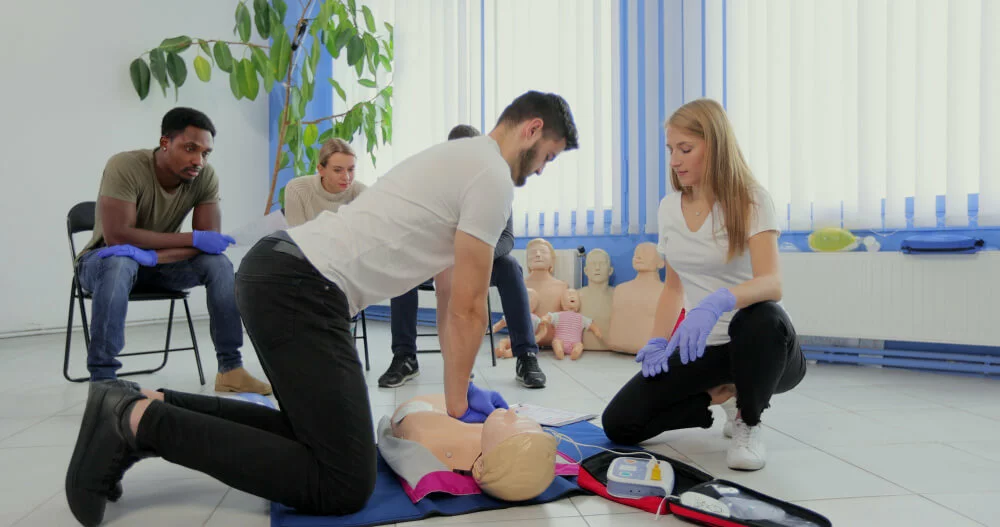
In the rapidly evolving landscape of education, an increasing number of schools are incorporating a variety of essential life skills training programs into their curriculum. One such area that is gaining prominence is High Intensity Support Skills Training in Australia, which focuses on preparing individuals to respond effectively to complex and high-risk situations, including emergency health scenarios.
High Intensity Support Training offers specialized knowledge, but when it comes to equipping students with fundamental life-saving techniques, first aid training stands out as an indispensable addition to the curriculum.
First aid is a basic skill set that provides immediate assistance to someone who is injured or ill before professional help arrives. While many consider first aid training valuable, it remains an optional program in most educational institutions worldwide. This raises the question: Why is first aid training not mandatory in schools? Read on as to why first aid training should be a fundamental part of school education and how it can foster a generation equipped to handle emergencies with confidence and competence.
Building a Culture of Safety and Preparedness
One of the most compelling reasons to mandate first aid training in schools is that it helps to create a culture of safety and preparedness. From a young age, students are exposed to potential dangers in their everyday lives, whether it’s a playground accident, a sports injury, or a sudden medical emergency. By incorporating first aid training as part of their education, schools can instill in students the knowledge and awareness needed to respond calmly and effectively to such situations.
A trained student body could significantly reduce the severity of injuries and even save lives in critical moments. For example, a child who knows how to properly bandage a wound, perform CPR, or stabilize a fracture could make the difference between life and death in situations where every second counts.
Empowering Students with Lifelong Skills
First aid training doesn’t just prepare students for emergencies in school—it equips them with skills they will carry into adulthood. Whether they become parents, professionals, or simply bystanders, the knowledge gained from first aid training stays with them for life. This sense of responsibility and empowerment can have a ripple effect, inspiring others to seek training and ensuring that more individuals in the community are prepared to help in times of need.
Furthermore, learning first aid fosters essential qualities such as empathy, leadership, and quick decision-making. These qualities not only improve a person’s ability to manage emergencies but also contribute to their overall personal development.
Reducing the Burden on Healthcare Systems
Australia’s healthcare system, like many others around the world, is often strained by a high volume of preventable medical emergencies. By training students in first aid, schools can contribute to reducing this burden. Basic first aid knowledge can prevent minor injuries from becoming major medical issues, thus decreasing the need for emergency medical services in non-critical situations. For instance, a student who knows how to properly treat a minor burn or apply pressure to a bleeding wound can help avoid unnecessary hospital visits.
Increasing Survival Rates in Critical Situations
One of the most vital skills taught in first aid training is Cardiopulmonary Resuscitation (CPR). Sudden cardiac arrest is a leading cause of death globally, and without immediate intervention, the chances of survival decrease drastically with each passing minute. According to the Australian Resuscitation Council, the early administration of CPR by a bystander can double or even triple a person’s chance of survival.
By mandating first aid training in schools, we could dramatically increase the number of people in the community capable of performing CPR, leading to higher survival rates in cases of cardiac arrest and other life-threatening emergencies. This would not only benefit students during their time in school but also contribute to the overall health and safety of the broader community.
Addressing Mental Health Crises
First aid training in schools is often associated with physical injuries, but it can also play a role in addressing mental health crises. In today’s world, where mental health concerns are on the rise among young people, understanding how to offer immediate support to someone experiencing a panic attack, suicidal thoughts, or other psychological emergencies is crucial. Schools can incorporate mental health first aid as part of a broader first aid curriculum, teaching students how to recognize warning signs and provide initial assistance until professional help is available.
This approach can reduce the stigma surrounding mental health issues and create a supportive environment where students feel empowered to help their peers in times of crisis.
Closing the Skills Gap for Future Careers
First aid training is not only a life-saving tool but also a valuable skill set that can enhance future career prospects. Many professions, particularly in fields such as healthcare, education, and childcare, require employees to have up-to-date first aid certification. By introducing first aid training in schools, students are provided with a competitive edge as they enter the workforce. For those interested in pursuing careers in medical fields, this early exposure to first aid can serve as a foundation for more advanced training, such as High Intensity Support Training.
Promoting a Health-Conscious Society
Schools play a crucial role in shaping the values and behaviors of the next generation. By making first aid training mandatory, educational institutions can promote a health-conscious society where individuals prioritize their well-being and that of others. Students will learn not only how to respond to emergencies but also how to prevent them by adopting healthy habits, maintaining safe environments, and advocating for safety standards in their communities.
For example, first aid training can teach students about the importance of hygiene, proper nutrition, and injury prevention—all of which contribute to their overall health. As students grow into adults, these lessons will influence their choices and encourage them to lead healthier, safer lives.
As we look to the future, High Intensity Support Skills Training and first aid education will play an increasingly important role in fostering a generation of informed, proactive citizens.
The time to make first aid training mandatory in schools is now, and by doing so, we can ensure that every student has the opportunity to learn how to protect themselves and others in times of need.


