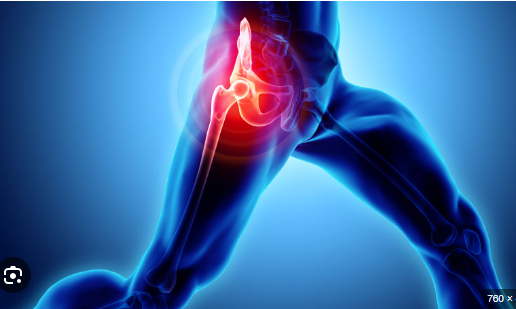
The replacement of a defective or worn-out hip joint with an artificial one is a medical procedure referred to as hip replacement surgery or hip arthroplasty. This surgery provides a means of alleviating pain and enhancing mobility for a significant number of individuals who are experiencing chronic hip pain, arthritis, or significant joint damage. The benefits of hip replacement surgery are profound, often leading to a drastic improvement in the quality of life and the ability to resume an active lifestyle.
Introduction To Hip Replacement Surgery
A ball-and-socket joint, the hip is located at the intersection of the pelvis and the thighbone (femur). Over time, factors such as osteoarthritis, rheumatoid arthritis, fractures, or other conditions can lead to significant damage and pain in the hip joint. When conservative treatments like medication, physical therapy, or lifestyle changes fail to alleviate the symptoms, hip replacement surgery becomes a viable option.
During the procedure, the damaged bone and cartilage are extracted and replaced with a prosthetic joint composed of metal, ceramic, or plastic. The natural movement of the hip is replicated by this new joint, enabling a more painless and fluid range of motion.
The Benefits Of Hip Replacement Surgery
Pain Relief
Chronic hip pain can severely limit an individual’s ability to perform daily activities. One of the most immediate and noticeable benefits of hip replacement surgery is the relief from this persistent pain. Post-surgery, patients often experience a significant reduction or complete elimination of hip pain, allowing them to engage in activities they once enjoyed.
Improved Mobility And Function
A hip joint that is damaged can make it difficult to perform even basic duties, such as walking, climbing stairs, or getting in and out of a chair, and can restrict movement. Hip replacement surgery restores mobility and enhances the function of the hip joint. Patients typically regain a broader range of motion and can move more freely and confidently.
Enhanced Quality Of Life
The relief from pain and improved mobility contribute to a better overall quality of life. Activities that were previously unattainable due to pain and rigidity are now feasible. Whether it’s playing with grandchildren, gardening, or participating in recreational sports, patients often find they can return to an active and fulfilling lifestyle.
Long-Term Durability
Modern hip replacement prosthetics are designed to be durable and long-lasting. The longevity of hip implants has been considerably enhanced by advancements in surgical techniques and materials, with many implants lasting for 15 to 20 years or longer. This long-term durability means that patients can enjoy the benefits of their new hip joint for many years.
Reduced Risk Of Complications
While any surgery carries risks, advancements in hip replacement techniques have minimised potential complications. Enhanced surgical methods, better post-operative care, and improved prosthetic designs have all contributed to making hip replacement surgery safer and more effective. Additionally, patients can expect shorter hospital stays and quicker recovery times compared to past decades.
The Road To Recovery
Recovery from hip replacement surgery involves a combination of rest, physical therapy, and gradual resumption of activities. Here are some key aspects of the recovery process:
Immediate Post-Surgery Care
After surgery, patients are typically encouraged to start moving their new hip joint as soon as possible. Complications, such as blood clotting, are prevented and healing is expedited through early mobilisation. Initially, patients may employ mobility aids such as crutches or a walker.
Physical Therapy
The recuperation process is significantly influenced by physical therapy. A customised exercise regimen will be developed by a physical therapist to enhance flexibility, strengthen the muscles surrounding the hip, and reestablish the joint’s range of motion. Adhering to this program is essential for a successful recovery.
Gradual Resumption Of Activities
As the recovery progresses, patients can gradually resume their normal activities. It’s important to follow the surgeon’s guidelines and avoid high-impact activities that could put undue stress on the new hip joint. Low-impact exercises like swimming, cycling, and walking are excellent options for maintaining fitness without risking the joints.
Long-Term Care And Maintenance
Maintaining a healthy lifestyle is crucial to extending the life of a hip replacement, even after a full recovery. Long-term success depends on avoiding behaviours that could harm the joint, maintaining a healthy weight, getting regular check-ups with the surgeon, and being active.
Conclusion
Hip replacement surgery offers a transformative solution for individuals suffering from debilitating hip pain and reduced mobility. By relieving pain, restoring function, and improving overall quality of life, this surgery enables patients to regain their active lifestyles. With modern advancements in surgical techniques and prosthetic designs, hip replacement surgery is now safer and more effective than ever, providing a long-lasting remedy for hip joint problems. For those facing chronic hip issues, consulting with an orthopedic specialist to explore the option of hip replacement surgery could be the first step toward a pain-free and active future.


