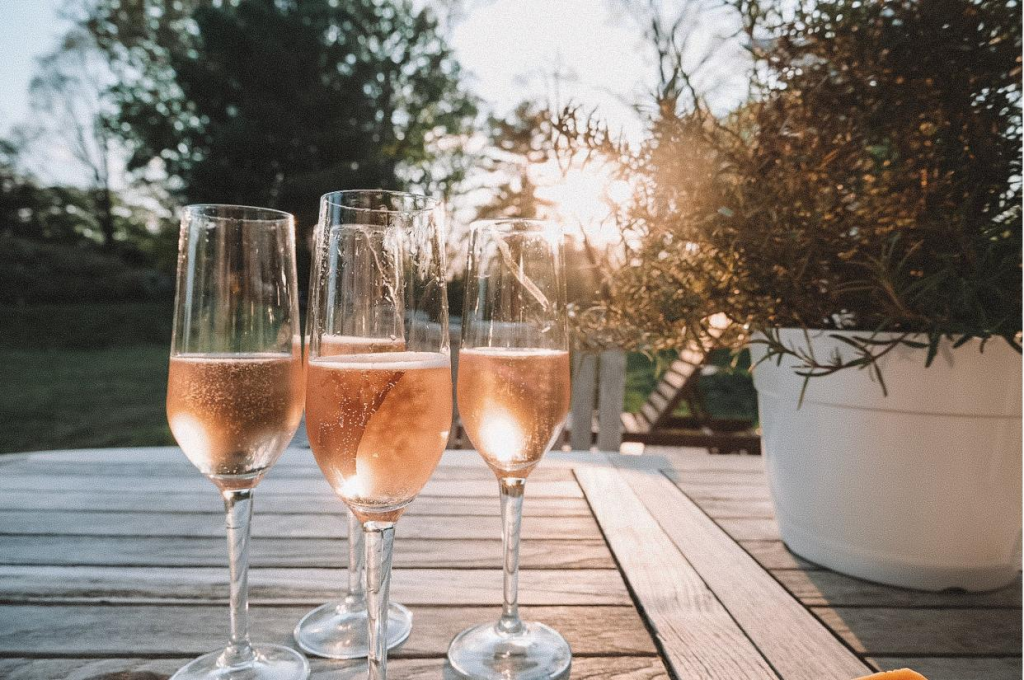
Sparkling wine is often associated with celebrations, but its appeal goes far beyond special occasions. With a wide range of styles, sweetness levels, and production methods, it offers something for nearly every taste. Exploring options when you buy sparkling wine online becomes far more interesting when you understand what makes each type unique.What Actually Creates the Bubbles?
The defining feature of sparkling wine is carbonation—but unlike soft drinks, these bubbles are naturally created during fermentation.Two main production methods:
- Traditional method (Champagne style):
Secondary fermentation happens inside the bottle, creating fine, persistent bubbles and more complex flavors - Tank method (Charmat method):
Fermentation occurs in large tanks, producing lighter, fruitier wines with softer bubbles
These methods directly influence texture, aroma, and overall drinking experience.Champagne vs Prosecco: Not Just a Name Difference
Many people use these terms interchangeably, but they represent very different styles.Champagne (France)
- Made using the traditional method
- Known for fine bubbles and complex flavors
- Common notes: citrus, toast, brioche
Prosecco (Italy)
- Made using the tank method
- Lighter, fruitier, and more approachable
- Common notes: green apple, pear, floral hints
Both are sparkling wines, but their structure and flavor profiles are quite distinct.Beyond the Classics: Other Sparkling Styles
Sparkling wine isn’t limited to just Champagne and Prosecco. Many regions produce their own unique styles.Examples worth knowing:
- Crémant (France): Traditional method wines from regions outside Champagne
- Cava (Spain): Balanced and often more affordable, with citrus and mineral notes
- Franciacorta (Italy): Rich, complex wines similar to Champagne
- Moscato d’Asti (Italy): Lightly sparkling, sweet, and low in alcohol
Each style offers a different balance of sweetness, acidity, and complexity.Understanding Sweetness Levels
Sparkling wine labels often include terms that describe sweetness, which can be confusing at first.Common levels:
- Brut: Dry, with very little sugar
- Extra Dry: Slightly sweeter than Brut
- Demi-Sec: Noticeably sweet
- Doux: Very sweet
Interestingly, “Extra Dry” is actually sweeter than “Brut,” which can catch beginners off guard.The Importance of Bubbles and Texture
Not all bubbles are the same. Their size and persistence affect how the wine feels.
- Fine bubbles: smoother, more refined texture (often in Champagne-style wines)
- Larger bubbles: lighter and more playful (common in Prosecco)
Texture plays a big role in how elegant or casual a sparkling wine feels.When to Drink Sparkling Wine
Sparkling wine is far more versatile than many people realize.It works well for:
- Celebrations and special occasions
- Aperitifs before meals
- Pairing with light dishes like seafood or appetizers
- Even casual gatherings or relaxed evenings
Its acidity and effervescence make it refreshing and adaptable.Food Pairing Made Simple
Sparkling wine pairs well with a surprising range of foods.Easy pairing ideas:
- Brut styles: seafood, fried foods, salty snacks
- Sweeter styles: desserts, fruit-based dishes
- Rosé sparkling: light meats and charcuterie
The bubbles help cleanse the palate, making it a great match for rich or crispy foods.Serving Sparkling Wine the Right Way
To get the best experience, serving technique matters.
- Chill to around 7–10°C
- Use tall glasses to preserve bubbles
- Pour slowly along the side of the glass
These small steps help maintain both flavor and effervescence.Final Thoughts
Sparkling wine is more than just a celebratory drink—it’s a diverse category with a wide range of styles and experiences. From crisp and dry to sweet and aromatic, each bottle offers something unique.
By understanding how sparkling wines are made and how they differ, you can explore them with more confidence and find options that suit your taste, your meals, and your occasions.


