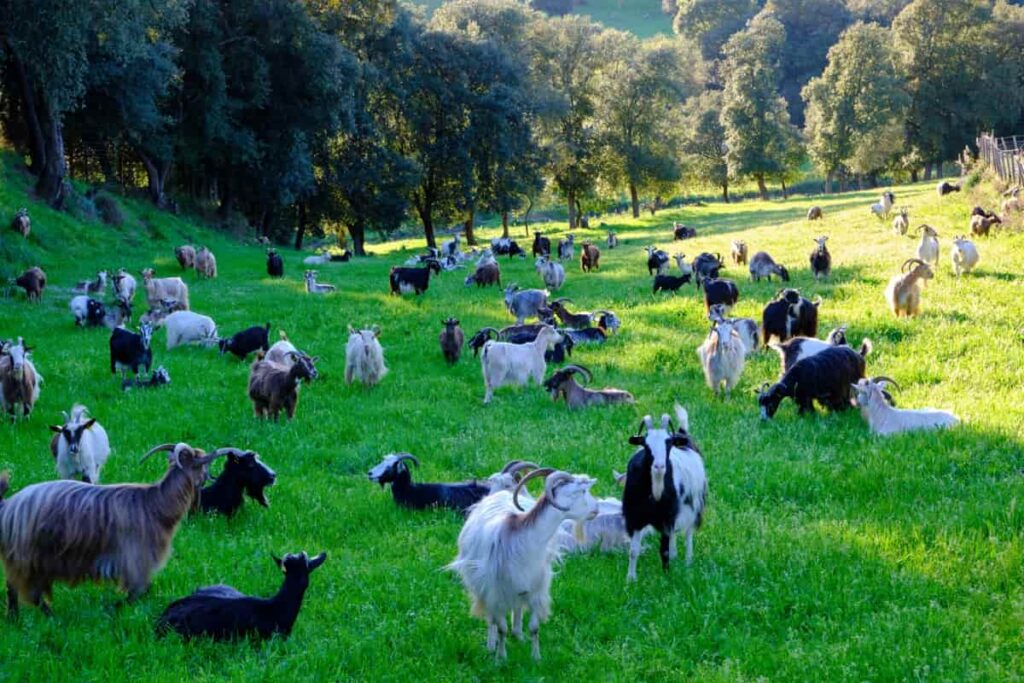
When it comes to land management, traditional methods often involve heavy machinery, chemical herbicides, and extensive human labor. However, a rising star in sustainable land management is gaining traction: goats. These intelligent, hardy animals are more than just farm companions; they are powerful “goat tools” for land clearing, erosion control, and biodiversity restoration.
In this article, we explore the surprising benefits of using goats for land management and why they might be the right choice for your next ecological project.
The Role of Goats in Sustainable Land Management
Goats are natural browsers, which means they prefer to eat shrubs, weeds, and invasive plants over grasses. This makes them uniquely suited for tackling areas overrun with tough vegetation that many other animals or tools can’t manage effectively. Unlike traditional machinery, goats operate without emitting greenhouse gases, making them an eco-friendly alternative.
Using goats as land management tools is not a new concept; they’ve been utilized for centuries in agriculture. However, modern advancements in fencing and goat herding techniques have made their application more versatile and efficient in diverse landscapes.
Key Benefits of Using Goats for Land Management
1. Natural Weed Control
Goats can consume up to 5% of their body weight daily, focusing on invasive weeds, thorny shrubs, and other unwanted vegetation. This natural grazing habit allows them to clear overgrown areas without requiring chemical herbicides.
One of goats’ most significant advantages is their ability to target invasive species like poison ivy, kudzu, and blackberries. These plants often choke native flora, but goats are unaffected by their toxicity and happily consume them, restoring balance to the ecosystem.
2. Reduced Fire Hazards
In fire-prone regions, such as California and Australia, goats are employed to mitigate wildfire risks. By consuming dry, flammable vegetation, goats create natural firebreaks, reducing the likelihood of catastrophic wildfires. Unlike mechanical tools, goats can access steep, rocky, or otherwise inaccessible terrains, making them indispensable for comprehensive fire management strategies.
3. Cost-Effective Solution
When compared to the costs of machinery, fuel, and labor required for traditional land clearing, goats are an economical choice. Once the initial setup—including fencing and herding—is complete, ongoing costs are minimal. Additionally, goats provide secondary benefits, such as milk, meat, and even fertilizer from their manure, further increasing their value.
4. Eco-Friendly and Sustainable
Mechanical tools often disturb the soil and surrounding environment, while chemical herbicides can leach into groundwater, affecting local ecosystems. Goats, on the other hand, work harmoniously with nature. They do not damage the soil, and their grazing promotes aeration and seed dispersal, encouraging the growth of native plants.
Their manure is a natural fertilizer, enriching the soil with nutrients and boosting plant health over time. For individuals and organizations committed to sustainability, goats are a perfect “green” alternative to traditional land management tools.
5. Erosion Prevention
In areas prone to soil erosion, goats can be invaluable. By eating top-heavy vegetation that often destabilizes the soil, goats promote the growth of ground-covering plants. Their hooves also gently till the ground, creating ideal conditions for new plant growth without the need for heavy machinery.
6. Encouraging Biodiversity
Invasive species often dominate landscapes, crowding out native flora and fauna. Goats help restore balance by eating these invasive plants, giving native species a chance to thrive. This promotes biodiversity and creates healthier ecosystems, which benefit not only plants but also animals and pollinators.
7. Minimal Noise Pollution
Unlike heavy machinery, goats work quietly. This makes them an excellent choice for projects in residential areas or locations where noise restrictions apply. Their low-profile presence ensures that the surrounding community is not disrupted during land management activities.
How to Implement Goats for Land Management
If you’re considering using goats as your primary land management tools, there are a few key factors to keep in mind:
1. Assessing the Land
Understanding the type of vegetation and terrain is crucial. Goats are ideal for tackling shrubs, bushes, and invasive plants, but they may not be effective for all types of vegetation. Identifying the plant species on your land will help you determine whether goats are the right solution.
2. Fencing and Containment
Goats are notoriously curious and will wander without proper containment. Electric or portable fencing is often used to create secure grazing zones. Rotational grazing—moving goats to different sections of the land—ensures even coverage and prevents overgrazing.
3. Choosing the Right Breed
Different goat breeds have varying grazing habits and capabilities. For example:
- Boer Goats: Excellent for meat production and hardy grazing.
- Kiko Goats: Known for their ability to thrive in challenging environments.
- Nubian Goats: Dual-purpose for milk and grazing.
Selecting the right breed based on your goals and the local environment is essential for success.
4. Goat Health and Maintenance
Healthy goats are efficient workers. Regular veterinary check-ups, vaccinations, and access to clean water and supplemental feed are necessary. A healthy herd is less prone to disease and more capable of tackling tough vegetation.
5. Working with Professionals
If managing goats seems daunting, many organizations specialize in “goatscaping” services. These companies provide trained herds, professional herders, and the necessary equipment to implement goat-based land management effectively.
The Future of Goats as Land Management Tools
As environmental concerns grow, the demand for sustainable solutions like goats is likely to increase. Communities, municipalities, and private landowners are beginning to see the value of using these natural grazers to manage vegetation, control erosion, and promote biodiversity.
The integration of technology, such as GPS collars and drone monitoring, is also enhancing the efficiency of goat-based land management. These innovations allow herders to track goat movements and ensure even grazing across large properties.
Real-Life Success Stories
1. California Wildfire Mitigation
In California, goats have been deployed to reduce fire hazards by clearing vegetation around homes and infrastructure. These efforts have proven cost-effective and have reduced the severity of wildfires in treated areas.
2. Urban Greenspace Management
Cities like Portland and New York have embraced goats as a way to manage overgrown parks and green spaces. These projects have not only improved the environment but also raised community awareness about sustainable practices.
3. Restoring Native Grasslands
In the Midwest, goats have been used to clear invasive shrubs from prairies, allowing native grasses and wildflowers to return. This has boosted local ecosystems and provided habitats for pollinators and other wildlife.
Why Goats Are the Ultimate Land Management “Tool”
Goats are more than just livestock; they are versatile, eco-friendly, and cost-effective “goat tools” for land management. From controlling invasive species to preventing wildfires and promoting biodiversity, these animals offer a sustainable alternative to traditional methods.
Whether you’re managing a small backyard or a large conservation project, goats can be a valuable addition to your land management strategy. Embracing these natural grazers is not only a step toward sustainability but also a testament to the innovative ways we can work with nature to solve modern challenges.
If you’re ready to explore the benefits of goat-based land management, start researching local goatscaping services or consider building your own herd. The results may surprise you—and your land will thank you.


