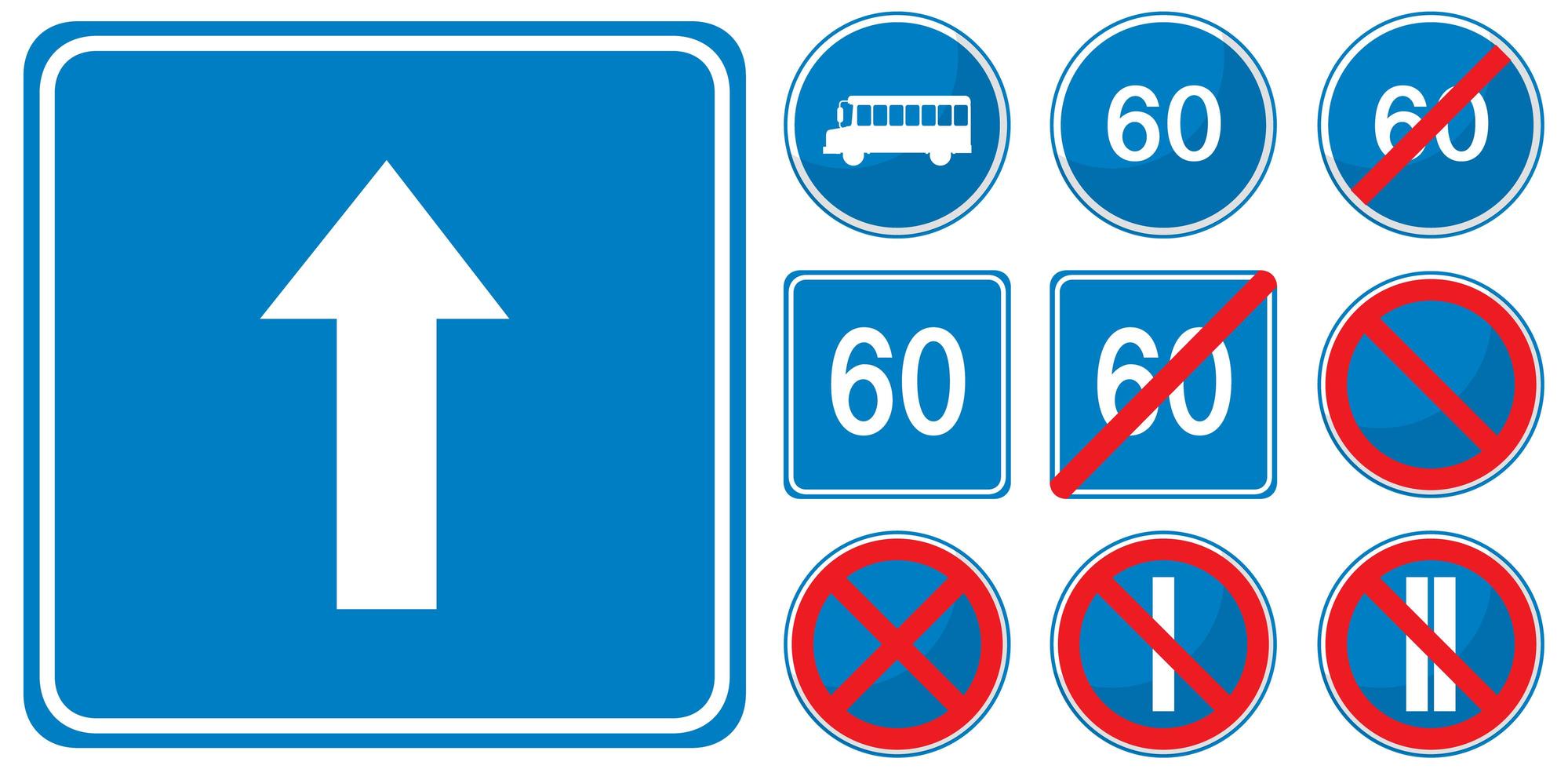
Traffic signs play a fundamental role in ensuring road safety, guiding drivers, and maintaining the smooth flow of vehicles on roads. Among the myriad of signs that populate highways and streets, blue traffic signs often go unnoticed in their significance. However, they serve critical purposes that directly impact driving efficiency and safety. In this blog, we’ll explore why blue traffic signs are crucial for drivers, their functions, and how they contribute to safer and more organized roads.
The Purpose of Blue Traffic Signs
Blue traffic signs are a universal feature of roadways, offering specific and essential information to drivers. Unlike warning or regulatory signs (typically yellow, red, or white), blue traffic signs are classified as informational signs. Their primary purpose is to provide guidance, inform about nearby facilities, or indicate mandatory instructions in certain conditions.
1. Informational Role
Blue signs are primarily used to deliver general information about the road or surrounding area. These signs:
- Indicate the presence of services such as gas stations, rest areas, hospitals, or food outlets.
- Offer directions to key locations like airports, train stations, or city centers.
- Provide route numbers or highway names in some countries.
This makes blue traffic signs indispensable, especially for long-distance travelers or tourists unfamiliar with the area.
2. Directive Role
In some cases, blue traffic signs are used to indicate specific mandatory actions or permissions:
- Lanes designated for certain types of vehicles (e.g., buses or bicycles).
- Instructions such as “Turn Left” or “Follow Detour.”
In these contexts, blue signs serve as a directive tool, ensuring drivers follow the prescribed actions to maintain road order.
Common Types of Blue Traffic Signs
Understanding the types of blue traffic signs helps emphasize their importance. Here are the most common categories:
1. Service Signs
These signs guide drivers to facilities essential for their journey, such as:
- Gas stations: A fuel pump icon is a classic example of a blue service sign.
- Rest areas: Often featuring a bench or a picnic table icon, these signs are lifesavers for drivers on long trips.
- Hospitals or Medical Services: A white “H” on a blue background indicates nearby medical assistance.
- Food and Lodging: Signs displaying fork-and-knife or bed symbols point drivers to restaurants and hotels.
2. Directional Signs
In many countries, highways and motorways use blue signs for directional guidance. These signs:
- Highlight exits and entrances on freeways.
- Display route markers or highway numbers.
- Provide arrows indicating the direction of travel to reach key destinations.
3. Mandatory Instructions
Certain driving instructions are displayed using blue signs. Examples include:
- Bus lanes: Blue signs often show lanes reserved for public transport, ensuring smooth travel for buses and avoiding traffic jams.
- Turn lanes: A white arrow on a blue circle instructs drivers to make a specific turn.
- Pedestrian or Cycle Paths: Blue signs mark pathways where pedestrian or cyclist activity is permitted.
4. Weather and Traffic Conditions
In some regions, blue traffic signs indicate temporary or weather-specific instructions. For example:
- Mandatory use of snow chains in winter zones.
- Advisories for foggy conditions or reduced speed during rain.
Why Blue Traffic Signs Are Effective
The effectiveness of blue traffic signs lies in their color psychology, design, and strategic placement. Let’s delve into these aspects:
1. Color Psychology
The color blue is associated with calmness, stability, and trustworthiness. It is neither as attention-grabbing as red (used for warnings) nor as neutral as green (used for navigational purposes), making blue the ideal color for delivering important but non-urgent information. Drivers are more likely to feel at ease when reading blue signs, which helps them make informed decisions without feeling rushed.
2. Standardization
Blue traffic signs adhere to standardized designs across many countries, which ensures that their meaning is easily recognized, regardless of where a driver is. This standardization helps prevent confusion, particularly for international travelers.
3. Clear Communication
Blue traffic signs often use symbols, icons, and simple words to communicate effectively. Their straightforward design ensures that drivers can understand them quickly, even at high speeds.
4. Strategic Placement
Blue signs are strategically placed to maximize their visibility and impact. For example:
- Service signs are installed well in advance of the facility they indicate, giving drivers enough time to decide whether to stop.
- Directional blue signs on highways are placed at regular intervals to ensure continuity and reduce the risk of drivers missing their exit.
Importance of Blue Traffic Signs for Driver Safety
While blue traffic signs are not directly associated with regulating or controlling driver behavior (like red or yellow signs), they contribute significantly to overall road safety. Here’s how:
1. Reducing Driver Stress
Blue signs provide essential information that reduces uncertainty for drivers. Knowing where to find the next gas station or rest area helps drivers plan their journey more effectively, reducing stress and potential road rage.
2. Preventing Accidents
When drivers are informed about upcoming lanes, mandatory turns, or dedicated pathways for certain vehicles, they can adjust their driving behavior accordingly. This minimizes the risk of accidents caused by sudden lane changes or confusion.
3. Supporting Emergency Responses
Signs indicating hospitals or emergency facilities are critical during medical emergencies. These signs guide drivers to the nearest help, ensuring timely assistance and potentially saving lives.
4. Enhancing Traffic Flow
By providing clear instructions and guidance, blue traffic signs help maintain a steady flow of traffic. For example, lane designations for buses or cyclists reduce congestion, allowing all road users to move efficiently.
Challenges and Future Innovations in Blue Traffic Signs
While blue traffic signs are essential, they are not without challenges. Some of the key issues include:
1. Visibility
In areas with poor lighting or during adverse weather conditions, blue signs may be harder to see compared to brighter colors like red or yellow. Innovations in reflective materials and LED lighting can help improve visibility.
2. Cluttered Signage
In areas with many overlapping signs, drivers may struggle to focus on the blue ones. Efforts to streamline signage placement and reduce visual clutter are crucial.
3. Digital Integration
As technology advances, digital and smart traffic signs are becoming more common. Blue traffic signs may integrate with digital displays or GPS systems, offering real-time updates on facilities, traffic conditions, or weather-related instructions.
Blue Traffic Signs: A Vital Part of Road Systems
Blue traffic signs are a vital part of the transportation ecosystem, guiding lost travelers and enhancing road safety. Their calm yet authoritative presence ensures that drivers can access crucial information without feeling overwhelmed. Whether you’re navigating unfamiliar roads, planning a rest stop, or looking for emergency services, blue signs are there to help you make informed decisions.
Final Thoughts
Next time you’re on the road, take a moment to appreciate the role that blue traffic signs play in making your journey safer and more convenient. They may not demand attention like a stop sign or a caution signal, but their quiet reliability ensures that roads remain organized and efficient.
For policymakers and traffic authorities, investing in the maintenance and modernization of blue traffic signs is essential to meet the needs of growing urbanization and evolving transportation systems. With improved visibility and potential integration with smart technology, blue signs will continue to be an indispensable tool for drivers around the world.
Safe travels, and remember to look for those helpful blue signs on your next road trip!


