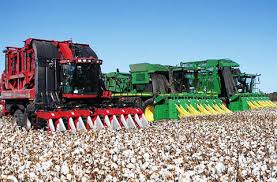
Owning a cotton harvester is a significant investment and keeping it in top condition is essential for ensuring efficient, long-lasting operation. The off-season provides an excellent opportunity to perform essential maintenance tasks that will not only prolong the life of your machine but also prevent costly breakdowns during harvest.
Proper maintenance helps you get the most out of your cotton harvester and minimizes downtime during the critical harvesting period. This comprehensive guide outlines key off-season maintenance tasks you should perform to keep your cotton harvester in optimal shape, including utilizing Case IH aftermarket parts to ensure reliability.
Thorough Cleaning
A clean machine is a healthy machine. During the harvest season, cotton harvesters often gather dirt, dust, lint, and crop residue, which can accumulate in various components and cause damage over time. The off-season is the perfect time to give your harvester a deep clean.
- Remove lint and debris from critical areas such as the engine compartment, air filters, and radiator. Use compressed air to blow out dust from hard-to-reach areas.
- Clean the spindle heads, as lint buildup can cause wear and reduce efficiency. It can also attract moisture, leading to rust and other forms of corrosion.
- Power wash the exterior of the machine and its key moving parts to remove any stubborn debris, ensuring not to damage sensitive components.
This cleaning should be the first step before diving into more technical maintenance tasks.
Inspect and Replace Worn Parts
Wear and tear are inevitable when dealing with heavy machinery like cotton harvesters, and worn-out parts can lead to inefficiency and breakdowns. The off-season is a great time to inspect all components and replace any that show signs of deterioration.
- Examine the spindles, doffers, and moisture system. These parts are constantly in contact with cotton and endure significant wear. Any damaged or heavily worn spindles should be replaced, as these components are critical to effective cotton picking.
- Check the bearings and bushings for signs of wear or damage. Bearings ensure the smooth movement of key components, so it’s vital they’re in good condition.
- Utilize Case IH aftermarket parts to replace worn-out components. These high-quality parts are specifically designed to fit your Case IH cotton harvester and often come at a lower price point than OEM parts while maintaining similar performance standards.
Replacing worn parts promptly during the off-season prevents breakdowns in the field and helps extend the overall lifespan of the harvester.
Lubrication of Moving Parts
Regular lubrication is critical to preventing friction and excessive wear in a cotton harvester’s moving parts. Neglecting lubrication can lead to serious mechanical failures over time.
- Grease all major pivot points and moving joints, including the spindles, rollers, and drive chains. Use the recommended grease type from the manufacturer to avoid any compatibility issues.
- Lubricate the belts and chains. Cotton harvesters rely on various belts and chains to function smoothly, and proper lubrication reduces wear and helps prevent slipping or snapping during operation.
- Check hydraulic systems and add oil as needed. Ensure that hydraulic components are in good condition and free from leaks.
Regular lubrication during the off-season keeps the machine running efficiently and minimizes the risk of equipment breakdowns during harvesting.
Engine Maintenance
The engine is the heart of your cotton harvester, and keeping it in good shape is essential for reliable performance. Off-season maintenance should include several engine-related tasks.
- Change the oil and filters to ensure the engine runs smoothly. Old oil can become contaminated with debris and sludge, which can negatively impact performance and cause long-term damage.
- Inspect the air filters and replace them if necessary. Air filters prevent dirt and debris from entering the engine, and clogged filters can cause the engine to work harder than it should.
- Check the fuel system for leaks and clean the fuel injectors. Fuel system maintenance helps the engine run efficiently and prevents poor fuel economy or stalling issues.
- Inspect the coolant system and top off or replace the coolant as needed. A functioning cooling system prevents the engine from overheating, which could cause catastrophic damage.
Staying on top of engine maintenance is crucial for maximizing the longevity and efficiency of your cotton harvester.
Inspect and Adjust the Drum and Picker Bar
The drum and picker bar are integral parts of the cotton harvester’s picking unit, and ensuring they are in top condition is essential for proper harvesting.
- Inspect the drum for any signs of wear or damage. If any part of the drum is bent or out of alignment, it can affect the picking efficiency and potentially damage the crop.
- Check the picker bar for proper spacing. If the bars are too close or too far apart, they won’t be able to pick cotton effectively. Adjust as needed to ensure optimal performance.
- Replace any damaged or worn picker bars with Case IH aftermarket parts, which provide a reliable and cost-effective solution for keeping your machine in good condition.
Proper maintenance of the drum and picker bar ensures efficient cotton collection and minimizes damage to the crop.
Electrical System Check
Your cotton harvester’s electrical system powers various components, from lights to more advanced features like automatic picking mechanisms. Electrical issues can be tricky to diagnose and repair in the field, making off-season maintenance essential.
- Inspect wiring for signs of wear or corrosion. Replace any damaged wiring to prevent short circuits or electrical failures.
- Test all lights, sensors, and control systems to ensure everything is functioning properly. If any components are malfunctioning, troubleshoot and repair them before the next season.
- Clean and tighten battery terminals and test the battery to ensure it holds a charge. If the battery is old or weak, it’s a good idea to replace it to avoid any issues in the field.
Keeping the electrical system in top shape ensures smooth operation and reduces the risk of unexpected failures during harvest.
Hydraulic System Inspection
Cotton harvesters rely heavily on hydraulic systems to operate various components, from the picking unit to the unloading system. Ensuring the hydraulic system is in good condition is crucial for maintaining efficiency and preventing costly breakdowns.
- Inspect hydraulic hoses for any cracks, leaks, or wear. Replace any damaged hoses to prevent hydraulic fluid loss or system failure.
- Check hydraulic fluid levels and top off or replace the fluid as needed. Use the recommended hydraulic fluid from the manufacturer to ensure proper system function.
- Inspect the hydraulic pumps and motors for any signs of wear or damage. Replace or repair any faulty components to avoid issues during harvesting.
A well-maintained hydraulic system ensures smooth operation and prevents costly downtime during the harvest season.
Tire and Wheel Maintenance
Proper tire and wheel maintenance is essential for ensuring that your cotton harvester can move smoothly and efficiently in the field.
- Inspect the tires for wear, cracks, or punctures. Replace any damaged or excessively worn tires.
- Check tire pressure and adjust as needed. Proper tire pressure helps with fuel efficiency and reduces wear on the machine’s drivetrain.
- Inspect the wheel bearings for signs of wear or damage. Replace any worn bearings to ensure smooth wheel rotation and prevent mechanical issues.
Tire and wheel maintenance helps keep your cotton harvester mobile and efficient, reducing the risk of breakdowns during critical harvesting times.
Storage Considerations
Proper storage of your cotton harvester during the off-season is just as important as performing regular maintenance tasks. How you store your machine can impact its long-term performance and lifespan.
- Store the harvester in a dry, covered area to protect it from the elements. Exposure to moisture can lead to rust and corrosion, which can damage critical components.
- Use covers or tarps to protect sensitive components like the engine and electrical system from dust and debris.
- Stabilize the machine by ensuring it’s parked on level ground and that the tires are properly inflated to prevent flat spots from developing.
Proper storage keeps your cotton harvester in good condition during the off-season and reduces the risk of damage from environmental factors.
Final Checkup and Documentation
Once you’ve performed all the necessary maintenance tasks, it’s a good idea to do a final inspection and document everything you’ve done.
- Check all moving parts one last time to ensure they’re properly lubricated and free from wear or damage.
- Test all systems to ensure everything is functioning as it should.
- Keep a maintenance log that details the tasks you’ve completed and the parts you’ve replaced. This documentation will come in handy when planning future maintenance and repairs.
By keeping a detailed log, you can track your cotton harvester’s maintenance needs and ensure you’re maintaining regular care.
Conclusion
Maintaining your cotton harvester during the off-season is key to ensuring efficient performance during the harvest season. Essential tasks such as cleaning, inspecting, replacing worn components, and utilizing Case IH aftermarket parts can keep your machine in top condition and avoid costly breakdowns. Implementing this maintenance routine will help prolong the lifespan of your cotton harvester and maximize its productivity.


