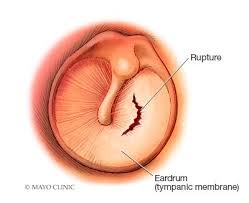
The eardrum, also known as the tympanic membrane, is a thin tissue that separates the outer ear from the middle ear. It plays a critical role in hearing by vibrating when sound waves hit it, helping transmit sound to the inner ear. However, certain conditions or injuries can cause the eardrum to rupture, leading to discomfort, hearing loss, and potential complications. In this article, we will explore the symptoms of ruptured eardrums, their causes, treatment options, and how to prevent this painful condition.
Understanding the Anatomy of the Eardrum
Before diving into the symptoms of a ruptured eardrum, it is essential to understand the anatomy of the ear and the role of the eardrum. The ear is divided into three parts:
- Outer Ear: This includes the visible part of the ear (pinna) and the ear canal, which directs sound to the eardrum.
- Middle Ear: The eardrum separates the outer ear from the middle ear, where the three small bones (ossicles) — the malleus, incus, and stapes — are located. These bones amplify sound and help transmit it to the inner ear.
- Inner Ear: This part contains the cochlea and auditory nerve, which convert sound vibrations into electrical signals that the brain interprets as sound.
When the eardrum is damaged or perforated, the protective barrier between the outer and middle ear is compromised, leading to various symptoms.
What Causes a Ruptured Eardrum?
Several factors can contribute to a ruptured eardrum. These include:
- Infections: Middle ear infections (otitis media) are one of the most common causes of eardrum rupture. Fluid buildup in the middle ear during an infection creates pressure that can lead to a tear in the eardrum.
- Barotrauma: A sudden change in pressure between the outer ear and the middle ear, often experienced during air travel, scuba diving, or exposure to loud explosions, can cause the eardrum to burst.
- Injury: Physical trauma to the ear, such as being struck in the ear, a sudden fall, or inserting an object (e.g., a cotton swab or bobby pin) too deeply into the ear canal, can lead to a ruptured eardrum.
- Acoustic Trauma: Exposure to extremely loud noises, such as gunshots or fireworks, can create pressure waves that damage the eardrum.
- Sudden Loud Noise (Acoustic Shock): A sudden, loud noise close to the ear can also rupture the eardrum by creating an intense sound wave that disrupts the membrane’s structure.
Common Ruptured Eardrum Symptoms
The symptoms of a ruptured eardrum can vary from person to person, depending on the severity of the rupture and the underlying cause. Below are the most common ruptured eardrum symptoms:
Sudden Sharp Pain in the Ear
One of the most noticeable symptoms of a ruptured eardrum is a sudden, sharp pain in the ear. The pain may be intense and last only a short time, followed by a feeling of relief. Some people describe the sensation as a “pop” in the ear, while others may experience lingering discomfort or a dull ache.
Hearing Loss
Hearing loss is another common symptom of a ruptured eardrum. The extent of hearing loss depends on the size of the tear and the severity of the rupture. Some individuals experience partial hearing loss, while others may have more significant impairment. This hearing loss is usually temporary and improves as the eardrum heals, but in rare cases, permanent damage may occur.
Ear Discharge
A ruptured eardrum may cause fluid to leak from the ear. The discharge can vary in color and consistency, ranging from clear to yellow or even bloody. In some cases, the discharge may indicate an ear infection, especially if it has a foul smell or is accompanied by fever or other signs of infection.
Tinnitus (Ringing in the Ear)
Tinnitus, or ringing in the ear, is a common symptom of a ruptured eardrum. The ringing may be constant or intermittent and can vary in intensity. Some people also describe the sound as buzzing, hissing, or roaring. Tinnitus is often caused by the disruption of sound transmission through the damaged eardrum and can persist until the membrane heals.
Vertigo or Dizziness
The inner ear is closely connected to the balance system, and a ruptured eardrum can disrupt this delicate mechanism. Some individuals with a ruptured eardrum experience vertigo or dizziness, which may make them feel as though the room is spinning. Depending on the extent of the damage to the ear, these balance disturbances can be mild or severe.
Ear Fullness or Pressure
Many people with a ruptured eardrum report a sensation of fullness or pressure in the affected ear. This feeling can be uncomfortable and is often accompanied by a reduction in hearing. The fullness may be due to fluid buildup or the ear’s inability to regulate air pressure properly.
Recurrent Ear Infections
A ruptured eardrum leaves the middle ear vulnerable to bacteria and viruses, which can lead to frequent ear infections. If you notice recurring ear pain, swelling, or discharge after a ruptured eardrum, it may be a sign of an infection. In some cases, untreated infections can lead to further complications, such as chronic ear disease or hearing loss.
Complications of a Ruptured Eardrum
While a ruptured eardrum often heals on its own within a few weeks, complications can arise in some cases. These complications include:
- Chronic Ear Infections: If the rupture does not heal properly, it can lead to repeated ear infections, which may require medical treatment.
- Hearing Loss: Most hearing loss caused by a ruptured eardrum is temporary, but in severe cases or if the damage is extensive, permanent hearing loss may occur.
- Middle Ear Damage: A ruptured eardrum can sometimes damage the ossicles in the middle ear, leading to long-term hearing issues.
- Cholesteatoma: This is a rare but serious complication where a cyst forms in the middle ear, potentially leading to further hearing loss, infection, or even damage to the surrounding bones and tissues.
Diagnosis of a Ruptured Eardrum
If you suspect that you have a ruptured eardrum, it is essential to seek medical attention promptly. An ear, nose, and throat (ENT) specialist or a general physician can diagnose the condition by performing an ear examination using an otoscope. The doctor may also conduct hearing tests to assess the extent of hearing loss and any other damage to the ear structures.
Treatment for a Ruptured Eardrum
The treatment for a ruptured eardrum depends on the severity of the rupture and any underlying causes. In most cases, the eardrum heals on its own within a few weeks, but certain measures may be recommended to facilitate healing and prevent complications:
Keep the Ear Dry
To prevent infection and promote healing, it is crucial to keep the ear dry. Avoid swimming or inserting water into the ear canal during the healing process. You can use earplugs or a shower cap while bathing to protect the ear from moisture.
Antibiotics
If an infection is present or there is a risk of infection, your doctor may prescribe oral antibiotics or antibiotic ear drops. These medications help eliminate bacteria and reduce the risk of further complications.
Pain Relief
Over-the-counter pain relievers such as ibuprofen or acetaminophen can help alleviate ear pain and discomfort associated with a ruptured eardrum. Be sure to follow the recommended dosage and consult with your doctor if the pain persists.
Surgical Repair
In rare cases, a ruptured eardrum may not heal on its own, especially if the tear is large or recurrent infections are present. In such instances, a surgical procedure known as a tympanoplasty may be performed to repair the eardrum. This involves grafting tissue from another part of the body onto the eardrum to close the perforation.
Preventing a Ruptured Eardrum
Preventing a ruptured eardrum involves taking simple precautions to protect your ears from injury, infection, and sudden changes in pressure. Some tips include:
- Avoid inserting objects into your ears, including cotton swabs and other foreign objects.
- Treat ear infections promptly to reduce pressure buildup in the middle ear.
- Wear ear protection when exposed to loud noises, such as concerts or heavy machinery.
- Equalize pressure during air travel or diving by yawning, swallowing, or using earplugs designed for pressure regulation.
Conclusion
A ruptured eardrum is a painful and potentially serious condition that can cause a range of symptoms, including sharp ear pain, hearing loss, ear discharge, tinnitus, and dizziness. While the eardrum often heals on its own, medical attention may be necessary to prevent complications such as chronic ear infections or hearing loss. By understanding the ruptured eardrum symptoms and taking preventive measures, you can protect your ears and maintain optimal hearing health.


