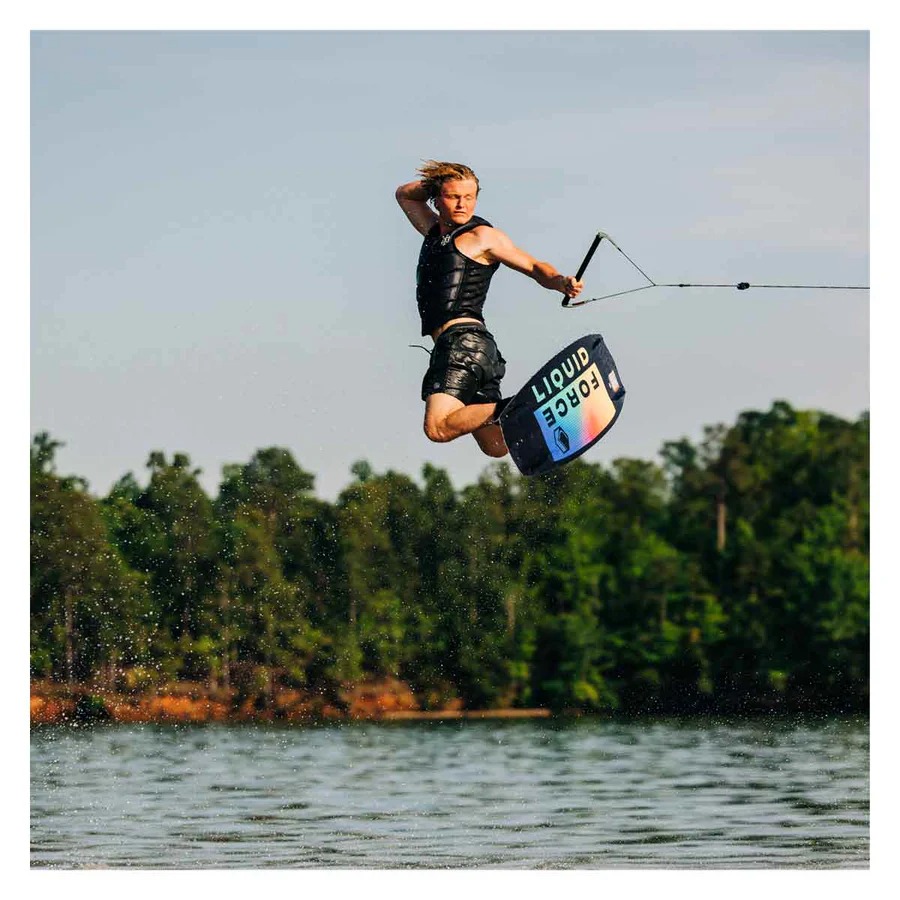
Wakeboarding is a thrilling water sport that blends elements of surfing, snowboarding, and water skiing into an exhilarating experience. For beginners, the sport can seem daunting, but with the right approach, anyone can master the basics and build the confidence needed to enjoy wakeboarding to its fullest. This guide will help you get started, from understanding the fundamentals to building confidence and progressing in the sport.
1. Getting to Know Wakeboarding
Wakeboard involves riding a board while being towed behind a boat. The boat creates wakes, or waves, which riders can use to perform tricks or simply enjoy the ride. The sport requires balance, coordination, and control, but with practice, you’ll soon find yourself gliding smoothly across the water.
2. Choosing the Right Equipment
Selecting the right equipment is crucial for a successful and enjoyable wakeboarding experience. Here’s a breakdown of the essential gear:
Wakeboard
- Beginner Boards: For beginners, a continuous rocker board is often recommended. This type of board provides a smooth ride and better stability, making it easier to learn the basics. Opt for a board with a larger surface area for added stability.
Bindings
- Comfort and Support: Choose bindings that fit snugly but comfortably. They should offer good ankle support and be easy to adjust. For beginners, open-toe bindings are often preferred as they are more flexible and accommodate a range of foot sizes.
Tow Rope
- Non-Stretch and Durable: A wakeboarding rope should be non-stretch and sturdy. Beginners typically use a rope that is 60-65 feet long, which helps in maintaining control and balance while learning.
Life Jacket
- Safety First: Always wear a Coast Guard-approved life jacket. It should fit properly and provide enough buoyancy to keep you afloat in case you fall.
Helmet (Optional)
- Extra Protection: While not always mandatory, wearing a helmet can provide added safety, especially for beginners who are learning new tricks or riding in choppy conditions.
3. Getting Started: Your First Wakeboarding Session
Starting out can be challenging, but following these steps will help you get up and riding with confidence:
Finding Your Stance
- Regular or Goofy: Determine your stance by figuring out which foot feels more natural at the front of the board. Regular stance means your left foot is forward, while goofy stance means your right foot is forward.
Body Position
- Knees Bent: Keep your knees slightly bent to absorb the impact from the water and maintain balance.
- Back Straight: Maintain a straight back to stay balanced.
- Arms Relaxed: Hold the tow rope with both hands, keeping your arms straight and relaxed. The rope handle should be close to your hips.
- Eyes Forward: Look in the direction you’re riding to help maintain balance and control.
Getting Up on the Board
- Start in the Water: Begin by floating with your wakeboard in front of you. Hold the tow rope handle with both hands.
- Let the Boat Pull You Up: As the boat starts to move, keep your knees bent and let the boat do the work. Avoid trying to stand up immediately.
- Stand Up Gradually: Once the board starts to rise, slowly straighten your legs while keeping your knees slightly bent. Find your balance and stay in a low, stable position.
- Adjust Your Stance: Center your weight over the board and adjust your stance as needed to maintain stability.
4. Building Confidence on the Water
Confidence is key to improving your wakeboarding skills. Here are some tips to help you build it:
Start Slow
- Take It Easy: Begin by riding at a slower speed and focusing on maintaining balance. Gradually increase your speed as you become more comfortable.
Practice Regularly
- Consistency is Key: Regular practice helps build muscle memory and confidence. Try to get on the water frequently to improve your skills.
Learn from Others
- Watch and Learn: Observe experienced wakeboarders to understand their techniques and body movements. You can also seek advice from a coach or take lessons to receive personalized feedback.
Celebrate Small Wins
- Acknowledge Progress: Celebrate your achievements, no matter how small. Each step forward is a sign of progress and helps build confidence.
5. Mastering Basic Techniques
Once you’re comfortable with getting up and riding, focus on mastering basic techniques to enhance your skills:
Edging
- Heel-Side Edge: Lean back on your heels to tilt the back edge of the board into the water. This helps in making wide turns and controlling your speed.
- Toe-Side Edge: Lean forward on your toes to tilt the front edge of the board into the water. This edge allows for sharper turns and better control.
Carving
- Smooth Turns: Carving involves making smooth, controlled turns by shifting your weight and using the edges of the board. Start with gentle turns and gradually increase the intensity.
6. Crossing the Wake
Learning to cross the wake smoothly is a significant milestone in wakeboarding:
- Build Speed: Ride outside the wake to gain speed using your heel-side or toe-side edge.
- Approach with Confidence: As you approach the wake, maintain a low and stable position.
- Cross the Wake: Ride over the wake with your knees bent and your body balanced. Focus on a smooth transition from one side to the other.
7. Progressing to Simple Tricks
Once you’ve mastered the basics, you can start experimenting with simple tricks:
Surface 180
- Spin on the Surface: Shift your weight onto your toes or heels and rotate your body 180 degrees while staying on the water’s surface. Practice this maneuver to get a feel for spinning and turning.
Ollie
- Pop Off the Water: To perform an ollie, shift your weight to the back of the board and quickly push down with your front foot to lift the board off the water. Focus on timing and balance for a smooth pop.
8. Staying Safe on the Water
Safety is crucial in wakeboarding. Follow these guidelines to ensure a safe and enjoyable experience:
- Wear Safety Gear: Always wear a life jacket and consider a helmet for added protection.
- Communicate Clearly: Use hand signals with the boat driver to indicate when you’re ready to start, stop, or adjust speed.
- Be Aware of Your Surroundings: Keep an eye out for other boats, obstacles, and swimmers in the water.
- Warm Up and Stretch: Prepare your body for the physical demands of wakeboarding by warming up and stretching before hitting the water.
Conclusion
Wakeboarding offers a thrilling blend of challenge and fun, with the potential for endless progression and enjoyment. By starting with the basics, building your confidence, and practicing regularly, you can develop your skills and fully embrace the excitement of wakeboarding. Remember, the key to success is patience and perseverance. So grab your board, head to the water, and enjoy the adventure of wakeboarding!